Tourism in India is on the rise, thanks to better infrastructure, improved roads, and digital travel tools that make trips easier for everyone. Whether it’s a pilgrimage, a heritage tour, or a scenic road trip, road transport is central to how people travel across the country.
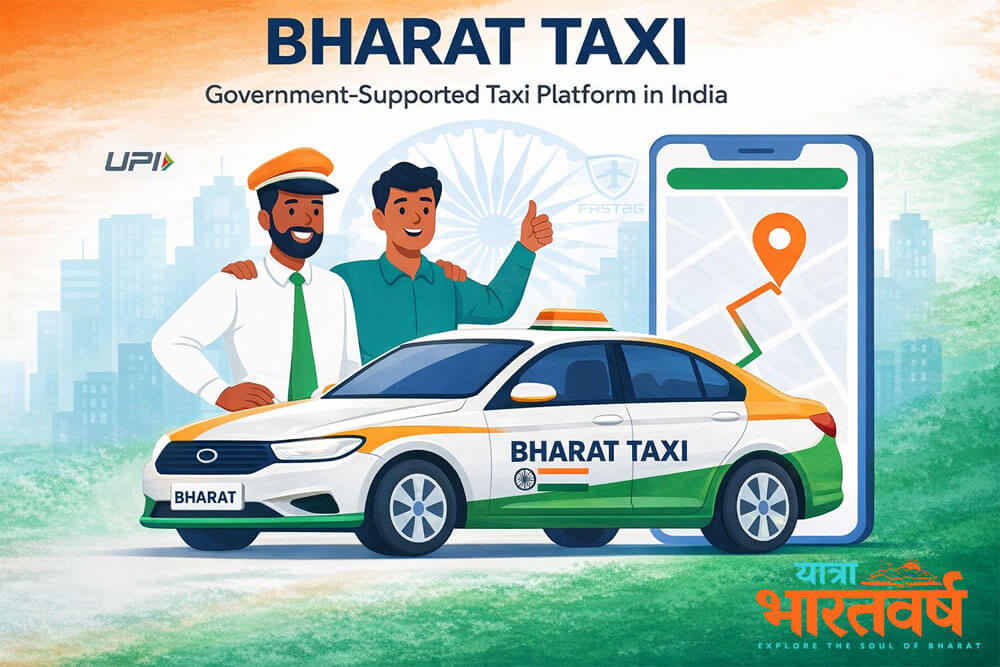
In this evolving landscape, the government’s proposed ride-hailing mobility platform, Bharat Taxi, is set to play an important role. Union Minister Amit Shah has announced that the government plans to launch Bharat Taxi within the next one or two months, positioning it as a cooperative-based alternative to existing private ride-hailing platforms. While the service will roll out in phases, its long-term vision could significantly benefit travellers, drivers, and the domestic tourism industry.
Why Road Travel Is Central to Indian Tourism
In India, much of the travel happens outside airports and train stations. Many famous places like hill stations, pilgrimage towns, wildlife reserves, heritage villages, and rural areas are easiest to reach by road. Taxis are especially important for getting to these destinations, including:
- Pilgrimage and religious tours
- Family vacations and group travel
- Hill station and nature retreats
- Intercity and outstation journeys
- Exploring lesser-known and rural destinations
Even though road travel is popular, tourists still deal with problems like high fares during busy times, limited taxi options in smaller towns, and service issues caused by high commission fees. Bharat Taxi hopes to solve some of these problems by providing a fairer way to get around.
What Is Bharat Taxi?
Bharat Taxi is a government-backed ride-hailing platform run by Sahakar Taxi Cooperative Ltd, a multi-state cooperative. Official sources say the platform is meant to help drivers rely less on private companies and keep more of what they earn.
For travellers, Bharat Taxi is expected to focus on:
- Transparent fare structures
- Fair pricing without extreme surge patterns
- Greater driver participation through cooperative ownership
- Gradual expansion to multiple cities and regions
Although Bharat Taxi will expand across the country in steps, pilot programs and driver sign-ups have already started in some areas. This shows the project is moving forward.
How Bharat Taxi Can Support Domestic Tourism
1. Strengthening Pilgrimage and Religious Travel
Religious tourism is one of the strongest drivers of domestic travel in India. Destinations such as Varanasi, Ayodhya, Kedarnath, Badrinath, Ujjain, Puri, Tirupati, and Vaishno Devi attract millions of pilgrims annually, many of whom rely on taxis for short and long road journeys.
As Bharat Taxi expands, it could:
- Increase taxi availability in temple towns.
- Support organised travel along pilgrimage corridors.
- Enable local drivers familiar with religious routes.
- Offer predictable pricing during peak pilgrimage seasons.
This can make pilgrimage travel more comfortable and accessible, especially for seniors and families.
2. Encouraging Scenic Road Trips Across India
India’s scenic highways and countryside are a big draw for people who love road trips. Whether it’s the mountain roads in Himachal Pradesh and Uttarakhand or the coastal routes in Konkan and Kerala, these journeys offer flexibility and a chance to really experience the country.
A nationally supported platform like Bharat Taxi could gradually help by:
- Making intercity and outstation taxi bookings simpler
- Supporting travel across state borders
- Increasing access to taxis in remote regions
For people who enjoy road trips and travel blogging, this could make it easier to explore less-traveled routes with more confidence.
3. Promoting Tier-2 and Tier-3 Tourism Destinations
A big opportunity for Indian tourism is in smaller towns and rural areas. These places often don’t have good transport options, which can keep travellers from visiting.
As Bharat Taxi expands its network, it could:
- Improve taxi availability in lesser-known towns.
- Support tourism in non-metro regions.
- Encourage travellers to explore new destinations.
- Strengthen local economies through driver participation.
This supports the larger goal of making tourism more balanced and inclusive.
Driver Empowerment and Better Travel Experiences
One main goal of Bharat Taxi is to empower drivers. Private ride-hailing platform often take large commissions, which can lower driver earnings and morale. Bharat Taxi’s cooperative model aims to give drivers a fairer share of what they earn, though the exact amount may differ.
For travellers, empowered drivers often mean:
- Better service quality
- More professional interactions
- Increased accountability
- Safer and more pleasant journeys
This is especially important for solo travellers, families, and long-distance travellers. While Bharat Taxi has not promised zero surge pricing, its cooperative approach is expected to promote fairer and more transparent fare structures.
This can help travellers:
- Plan trips more confidently
- Avoid unexpected cost spikes.
- Enjoy a smoother booking experience.
Clear pricing is especially helpful for people traveling on a budget and for local tourists.
Bharat Taxi and the Future of Travel Integration
In the future, Bharat Taxi could join a larger travel and transport system, possibly connecting with:
- Government tourism platforms
- Bus and rail connectivity hubs
- Pilgrimage and regional tourism circuits
This kind of integration could make planning trips easier and help India become known as a more traveler-friendly place.
Why Bharat Taxi Matters for Travelers
Bharat Taxi isn’t meant to replace private ride-hailing services right away. Instead, it gives travellers another choice, based on cooperative ownership, fair prices, and local involvement.
For tourists exploring India by road, this initiative represents:
- Greater choice in mobility services
- Improved access in emerging destinations
- Support for local driver communities
- A step toward self-reliant travel infrastructure
Final Thoughts
The soon-to-launch Bharat Taxi, announced by Union Minister Amit Shah, is a big step for travel and tourism in India. Although it will expand slowly, its cooperative approach and focus on travellers could have a positive impact on tourism in the country.
As India encourages more pilgrimage routes, scenic road trips, and visits to lesser-known places, reliable road transport will stay important. Projects like Bharat Taxi can make travel easier, fairer, and more connected to local communities, improving not just how people get around, but also how they experience India’s diversity.
Frequently Asked Questions
Bharat Taxi is a ride-hailing mobility platform being launched in India under a cooperative model. It is designed to provide taxi booking services while supporting drivers through a fairer earning structure.
Bharat Taxi is not directly owned by the government, but it is a government-backed initiative supported through cooperative institutions and policy guidance.
Unlike private taxi aggregators, Bharat Taxi follows a cooperative-based model, which aims to allow drivers to retain a larger share of their earnings and participate more actively in the platform.
Bharat Taxi services will be available to general passengers, including tourists, pilgrims, families, and business travelers, once the app is officially launched and operational in their city.
Bharat Taxi is expected to begin operations in select cities first, with a phased expansion planned across other regions of India over time.