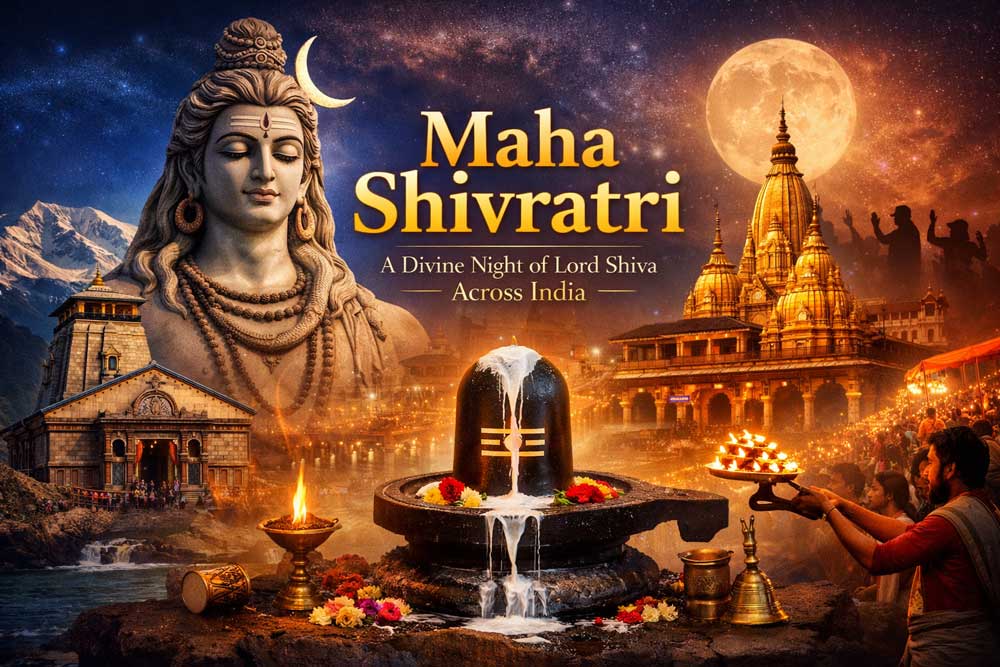
Maha Shivratri, which means “The Great Night of Shiva” is one of India’s most sacred and spiritually important festivals. It is dedicated to Lord Shiva, who is seen as the supreme force of creation, preservation, and transformation. On this special night, people fast, meditate, and worship throughout the night. Unlike many Hindu festivals that are filled with celebration, Maha Shivratri encourages quiet reflection, discipline, and spiritual growth.
Maha Shivratri Date 2026
In 2026, Maha Shivratri will be celebrated on Sunday, 15 February. According to the Hindu lunar calendar, it falls on Phalguna Krishna Chaturdashi. The special Chaturdashi Tithi starts on the evening of 15 February and continues into 16 February, making this night especially important for Shiva worship, meditation, and Nishita Kaal puja. Devotees break their fast (Parana) on Monday, 16 February 2026.
This timing follows ancient traditions, which highlight the night-long vigil as the most powerful time to connect with Lord Shiva.
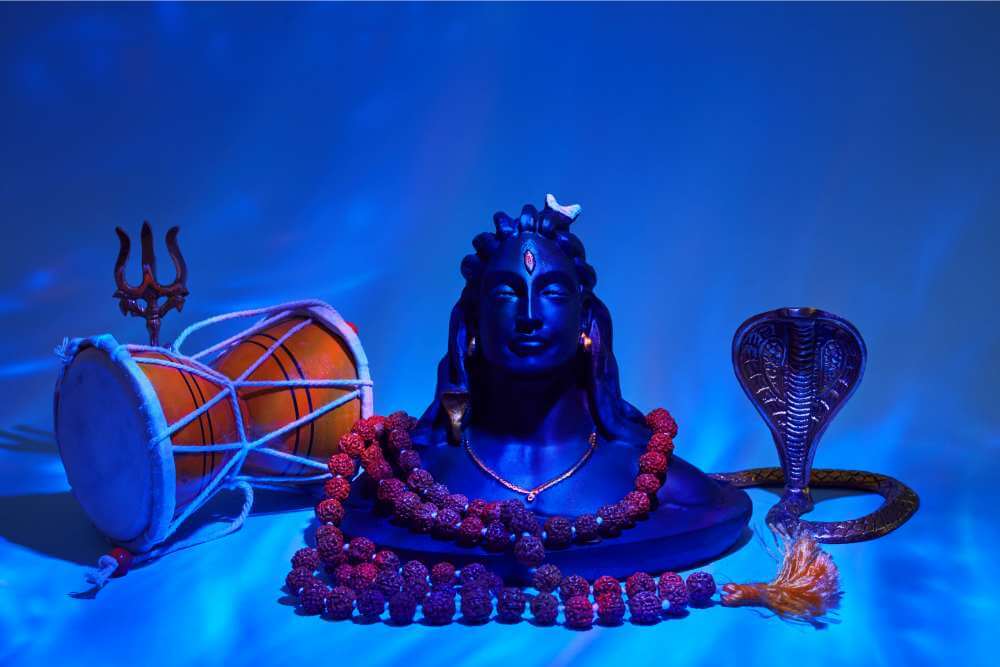
The Spiritual Significance of Maha Shivratri
Maha Shivratri has deep spiritual and philosophical meaning in Hinduism. It symbolises the union of Shiva and Shakti, representing the balance between consciousness and energy. Spiritually, it marks the end of ignorance and the start of greater awareness.
In yogic traditions, Maha Shivratri is seen as the most powerful night of the year for inner change. Many believe that the planets’ positions on this night help raise human energy, making meditation more effective. Staying awake all night helps devotees stay aware and open to spiritual growth.
For people with families, Maha Shivratri is about balancing daily life with inner growth. For ascetics and yogis, it is a night to fully immerse themselves in the deep stillness of Shiva, the first yogi.
Legends and Mythological Importance
Many ancient legends explain why Maha Shivratri is sacred, each revealing a different aspect of Lord Shiva.
One widely known belief associates Maha Shivratri with the marriage of Lord Shiva and Goddess Parvati, symbolising divine balance and cosmic harmony. Another legend recounts the episode of Samudra Manthan, when Lord Shiva consumed the deadly poison Halahala to save the universe, holding it in his throat and earning the name Neelkanth.
Another legend says that Maha Shivratri is the night when Lord Shiva appeared as an endless column of light, known as the Jyotirlinga, revealing his formless and eternal nature beyond time and space. These stories show Shiva as a protector, a destroyer of ignorance, and a symbol of compassion.
Rituals and Observances on Maha Shivratri
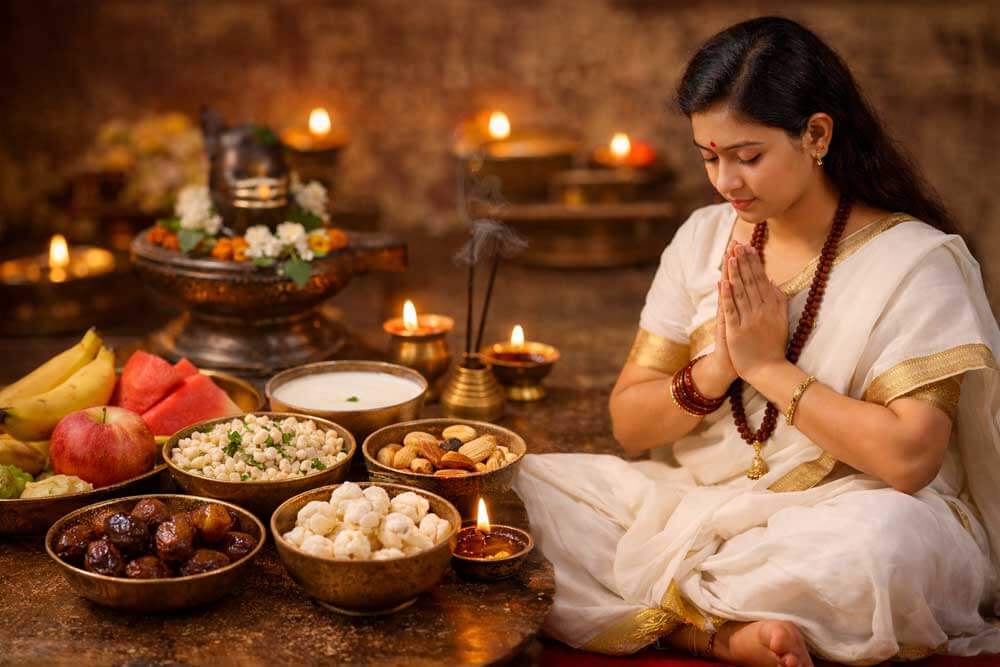
Maha Shivratri starts with purification rituals and fasting. Some people eat only fruit and milk, while others do a complete fast without water (nirjala fasting).
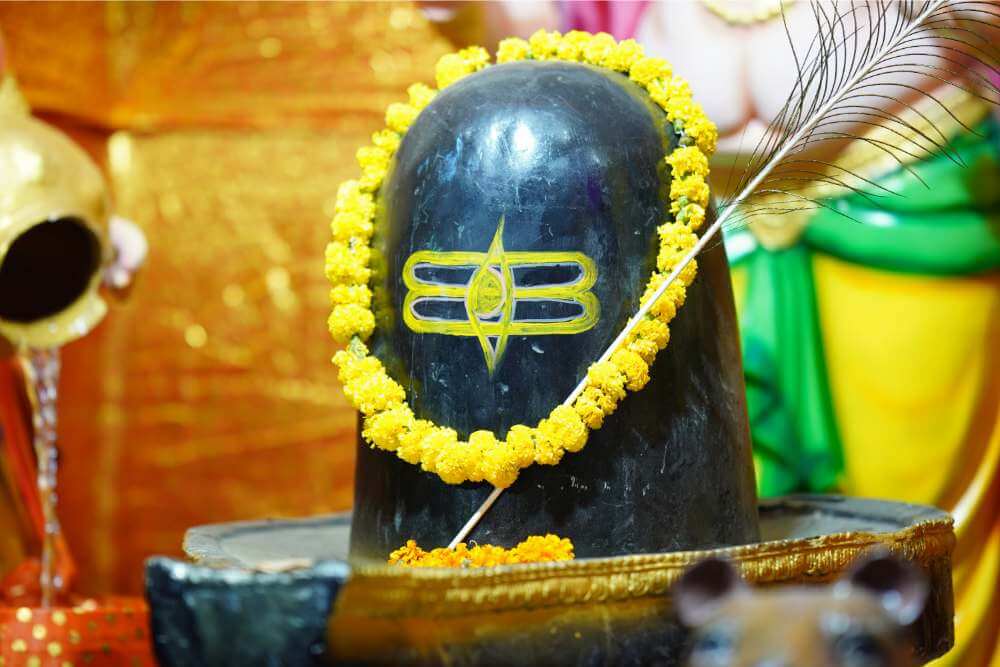
The heart of Maha Shivratri worship is the four Prahar Pujas, done at different times during the night. In these rituals, the Shiva Lingam is bathed (Abhishekam) with offerings like water, milk, curd, honey, ghee, and sugar. Each item stands for purification, nourishment, devotion, and gratitude. The leaves of the Bilva tree are considered especially sacred, while continuous chanting of “Om Namah Shivaya” fills temples and homes with divine vibrations. Staying awake all night (Jagaran) represents triumph over darkness, ignorance, and inertia.
Maha Shivratri Celebrations Across India
Maha Shivratri is celebrated across India in many different ways, reflecting local traditions while sharing the same spiritual meaning.
Varanasi (Uttar Pradesh)
In Varanasi, the eternal city of Shiva, Maha Shivratri is celebrated with unparalleled devotion. The Kashi Vishwanath Temple becomes the focal point of festivities, with thousands of devotees gathering for darshan. Grand processions depicting Lord Shiva’s wedding are taken out through the ancient streets, creating a deeply spiritual atmosphere.
Ujjain (Madhya Pradesh)
The Mahakaleshwar Jyotirlinga in Ujjain witnesses one of the most intense Maha Shivratri observances in India. The famous Bhasma Aarti, performed before dawn, draws devotees from across the country. Night-long prayers and spiritual gatherings fill the city.
Himalayan Region
In the Himalayas, Shiva is worshipped as the Lord of Mountains. Although temples like Kedarnath remain closed during winter, devotees in nearby regions observe Maha Shivratri with meditation, chanting, and austere rituals that reflect Shiva’s ascetic nature.
Tamil Nadu
At Chidambaram, Maha Shivratri is celebrated with the renowned Natyanjali festival, where classical dancers offer performances to Lord Nataraja—Shiva as the cosmic dancer. The festival beautifully blends spirituality, art, and philosophy.
Karnataka
Temples like Murudeshwar and Dharmasthala hold special rituals and conduct all-night worship. Many believe that prayers made here on Maha Shivratri bring spiritual freedom.
West Bengal
In West Bengal, Maha Shivratri falls on the same day as the Gajan Festival, which includes strong devotional practices and rituals that symbolise total surrender to Lord Shiva.
Why Fasting and Night Vigil Are Important
Fasting on Maha Shivratri is not just a physical practice; it is also a spiritual tool. It helps cleanse the body, control desires, and improve mental clarity. Staying awake all night shows alertness and awareness, helping devotees connect with higher consciousness.
In yogic tradition, Maha Shivratri is thought to help energy move upward in the body. Sitting upright and staying mindful all night is seen as very helpful for spiritual growth.
Maha Shivratri in the Modern Era
Even in today’s busy world, Maha Shivratri is still very meaningful. While temple worship remains important, many people now also attend meditation sessions, yoga programs, spiritual talks, and online darshan services to observe the festival.
Ashrams and spiritual centres hold special night-long events focused on inner silence and self-reflection. Even with modern changes, the heart of Maha Shivratri stays the same: turning inward and reconnecting with the eternal.
The Universal Message of Maha Shivratri
Maha Shivratri is more than just a religious event; it reminds us of life’s deeper purpose. Lord Shiva is seen as the destroyer, not of the world, but of ignorance, ego, and illusion. His stillness teaches detachment, and his cosmic dance shows dynamic balance.
The festival encourages people to pause, reflect, and reconnect with their inner truth. In a world full of noise and distraction, Maha Shivratri gives the rare gift of silence and awareness.
Conclusion
Maha Shivratri is a lasting spiritual tradition in India’s culture and religion. It is celebrated across the country with devotion, discipline, and respect. This night invites people to rise above material concerns and connect with the infinite.
In 2026, when devotees observe Maha Shivratri on 15 February, the sacred night will again be filled with chants of devotion, guiding many toward inner awakening and spiritual clarity.
Whether people fast, chant, visit temples, or meditate quietly at home, the true meaning of Maha Shivratri is self-realisation and surrender.
Har Har Mahadev. 🙏
FAQs
Maha Shivratri in 2026 will be observed on Sunday, 15 February. The sacred night of worship continues until the early hours of Monday, 16 February 2026, when devotees break their fast after completing rituals.
Maha Shivratri is observed at night because it is believed that cosmic energies are most active during this period. Staying awake and meditating helps devotees elevate their spiritual awareness and overcome ignorance and darkness.
Maha Shivratri symbolizes the union of Shiva and Shakti, representing balance between consciousness and energy. It is considered an auspicious time for inner transformation, meditation, and spiritual awakening.
Devotees observe fasting, perform night-long vigil (Jagaran), chant “Om Namah Shivaya,” and conduct Abhishekam of the Shiva Lingam using milk, water, honey, and Bilva leaves during the four Prahar pujas.
Some of the most prominent places to witness Maha Shivratri celebrations include Varanasi (Kashi Vishwanath Temple), Ujjain (Mahakaleshwar Jyotirlinga), Chidambaram (Nataraja Temple), Murudeshwar, and Himalayan Shiva shrines.