
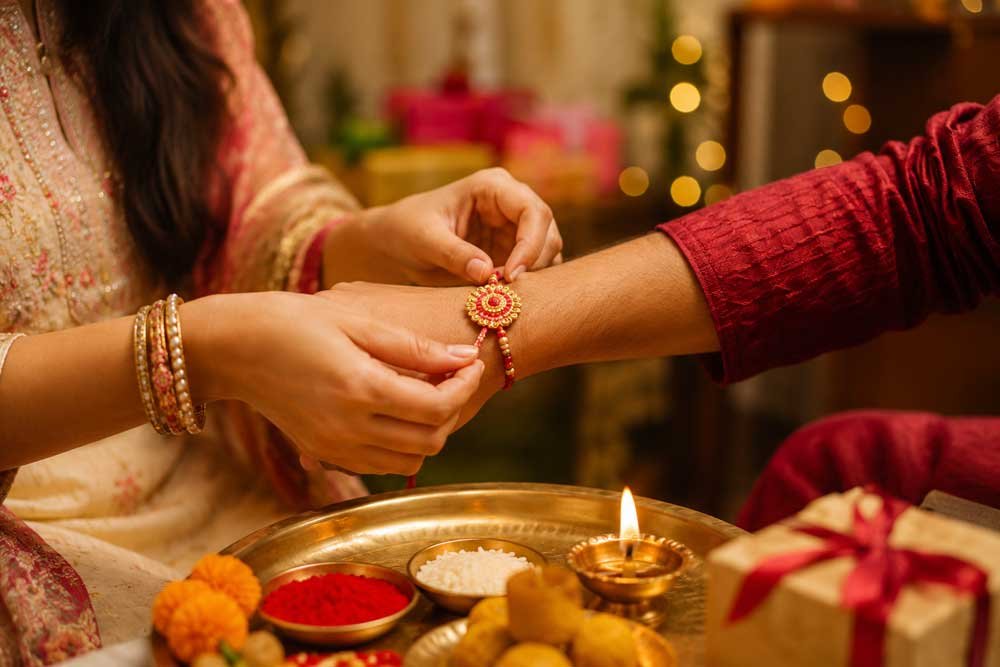
Raksha Bandhan is one of the most cherished festivals in India, celebrating the beautiful and emotional bond between brothers and sisters. More than just a ritual of tying a sacred thread, Rakhi represents love, trust, care, responsibility and the promise of standing beside one another through every stage of life.
Celebrated on the full moon day of the Hindu month of Shravan, Raksha Bandhan brings families together with prayers, traditional rituals, sweets, gifts and countless memories. In 2026, Raksha Bandhan will be celebrated on Friday, August 28, according to the Hindu calendar.
For many families, the festival begins days before the actual celebration. Markets become colourful with beautifully decorated rakhis, gift hampers, sweets and traditional items. Sisters carefully choose a rakhi for their brothers, while brothers look for thoughtful gifts to make the occasion special. Yet, behind all these preparations lies something much more meaningful—the celebration of a relationship that remains special throughout life.
What Does Raksha Bandhan Mean?
The name “Raksha Bandhan” can be understood as a bond of protection. The word Raksha means protection, while Bandhan refers to a bond or tie.
Traditionally, sisters tie a rakhi around their brothers’ wrists and pray for their happiness, health, prosperity and long life. Brothers, in return, offer gifts and promise to support and care for their sisters.
However, the meaning of protection has evolved with changing times. Today, Raksha Bandhan is not simply about a brother protecting his sister. It represents mutual care and emotional support between siblings. A sister can stand beside her brother during difficult times just as strongly as a brother can support his sister.
This broader meaning makes Raksha Bandhan relevant even in modern families where siblings may live in different cities or countries.
The Historical and Mythological Significance of Rakhi
Raksha Bandhan has been associated with several stories from Indian religious and cultural traditions. There is no single historical event universally accepted as the origin of the modern festival, but various traditional stories help explain the importance of the sacred thread.
One well-known tradition comes from the story of Indrani and Lord Indra. According to a tradition mentioned in the Bhavishya Purana, Indrani tied a protective thread around Indra before a battle, symbolising prayers for his protection and victory.
Another popular story connects Raksha Bandhan with Lord Krishna and Draupadi. According to popular tradition, when Krishna injured his finger, Draupadi tore a piece of her clothing and tied it around his wound. This simple gesture of affection is remembered as an example of their deep bond, with Krishna later protecting Draupadi when she faced humiliation.
There are also traditions connecting Raksha Bandhan with other stories involving protection, family relationships and sacred promises. These stories may differ across regions, but they share a common theme: a thread can represent a much deeper emotional and spiritual commitment.
How Is Raksha Bandhan Celebrated?
The traditional Raksha Bandhan ceremony is simple but filled with meaning.
A decorated thali, or puja plate, is prepared with items such as a rakhi, kumkum or tilak, rice grains, sweets, a diya and other traditional पूजा सामग्री. The sister performs aarti, applies tilak to her brother’s forehead and ties the rakhi around his wrist. She then offers prayers for his well-being.
The brother gives his sister a gift and expresses his affection and commitment to their relationship. The family then shares sweets and food, takes photographs and spends time together.
Official tourism information also describes the ceremony as an occasion where sisters pray for their brothers’ prosperity and well-being, while brothers respond with gifts and a promise of care.
While the ritual may take only a few minutes, the emotions behind it can remain with siblings for a lifetime.
Raksha Bandhan Beyond the Brother-Sister Relationship
One of the most beautiful aspects of Raksha Bandhan is that the idea of the rakhi can extend beyond biological siblings.
In different parts of India, rakhi traditions may involve cousins, close family members, friends and other people who share a meaningful relationship based on care and protection. Maharashtra Tourism, for example, notes that Rakhi may sometimes be tied to friends, relatives or people who represent the spirit of protection and care.
This reflects an important message of Indian culture: relationships are not defined only by blood. Love, trust and responsibility can create bonds that become just as meaningful.
The Emotional Importance of Raksha Bandhan
For children, Raksha Bandhan can be an exciting day filled with sweets, gifts and fun. As people grow older, however, the emotional significance of the festival often becomes even greater.
Siblings who once shared the same home may eventually move to different cities or countries for education, careers or marriage. They may not speak every day, but festivals such as Raksha Bandhan provide an opportunity to reconnect.
For a married sister visiting her parental home, Rakhi can bring back memories of childhood—playing together, fighting over small things, sharing secrets and growing up side by side. For brothers and sisters living far apart, even a video call or a rakhi sent by post can make the day special.
The festival therefore reminds us that distance may change the way relationships are expressed, but it does not necessarily weaken the bond.
Raksha Bandhan in the Modern Age
Modern celebrations of Raksha Bandhan have changed considerably. Social media, online shopping and digital communication have made it easier for families to celebrate even when they are separated by distance.
Sisters can order rakhis online and send them directly to their brothers. Brothers can send gifts, flowers or personalised surprises. Families can also celebrate through video calls when meeting physically is not possible.
At the same time, many people are becoming more conscious of sustainable celebrations. Eco-friendly rakhis made from cotton, seeds, paper or natural materials are becoming an attractive alternative to plastic-heavy decorative products.
The modern celebration shows that traditions do not have to disappear as society changes. Instead, they can adapt while preserving their original emotions and values.
How Families Can Make Raksha Bandhan More Meaningful
Instead of focusing only on expensive gifts, families can use Raksha Bandhan as an opportunity to spend quality time together.
Siblings can prepare a meal together, look through old family photographs, revisit childhood memories or write a heartfelt note for each other. Parents and grandparents can share stories about how the siblings grew up.
Another meaningful idea is to celebrate the festival through an act of kindness. Families can donate food, clothes or educational supplies to people in need. Such gestures can transform a personal celebration into an opportunity to spread happiness.
The most memorable Raksha Bandhan is not necessarily the one with the most expensive rakhi or gift. It is the one where family members feel valued, remembered and loved.
The Deeper Message of Raksha Bandhan
At its heart, Raksha Bandhan is about relationships and responsibility.
The rakhi is a small thread, but its symbolism is powerful. It represents years of shared memories, childhood experiences, disagreements, forgiveness, laughter and unconditional support.
It also reminds us that protection should be mutual. Brothers and sisters can encourage one another, help each other through challenges and celebrate each other’s achievements.
In a world where people are increasingly busy with work, studies and personal responsibilities, festivals like Raksha Bandhan create a reason to pause and reconnect with the people who matter most.
Celebrating the Spirit of Raksha Bandhan
Raksha Bandhan is much more than a festival marked on the calendar. It is an annual reminder of the relationships that shape our lives.
Whether siblings celebrate together at home, meet after months apart or exchange wishes through a video call, the essence remains the same. A rakhi tied around the wrist carries a simple message: “I care about you, I value our relationship, and I will always be there for you.”
As traditions continue to evolve, the emotional foundation of Raksha Bandhan remains unchanged. It teaches us to value family, express affection and appreciate the people who stand beside us through life’s successes and challenges.
This Raksha Bandhan, beyond the sweets, gifts and celebrations, take a moment to appreciate the bond you share with your siblings. Call them, spend time with them, share an old memory or simply tell them how much they mean to you.
Because ultimately, the most precious gift of Raksha Bandhan is not something wrapped in paper. It is the promise of love, care and togetherness that continues long after the rakhi is tied.



Comments are closed