History, Significance, and Spiritual Importance of Vaishno Devi
The Vaishno Devi Yatra is one of the most cherished pilgrimages in India. Situated in the Trikuta Hills of Jammu and Kashmir, this shrine attracts millions of devotees every year. The history of the Vaishno Devi temple is tied to Hindu mythology, which states that Goddess Vaishnavi was born as a manifestation of Mahakali, Mahalakshmi, and Mahasaraswati. She chose the cave in the Trikuta mountains to meditate and serve humanity.
According to legend, Mata Vaishnavi was pursued by the demon Bhairavnath. To escape, she entered a sacred cave, where she defeated him. Before dying, Bhairavnath asked for forgiveness, and Mata granted him liberation. As a result, pilgrims believe that a visit to Vaishno Devi is incomplete without stopping at the nearby Bhairavnath Temple.
Inside the cave, devotees witness three sacred rock formations, known as Pindis, which represent the goddess in her eternal forms. Unlike traditional idols, these natural formations reflect the immense power of the divine mother. Worshippers believe that seeking Vaishno Devi darshan brings prosperity, peace, and fulfillment of wishes.
Also Read about below Shakti Peethas
The shrine is also one of the 51 Shakti Peeths, making it a highly revered spiritual destination. The aura of the place, combined with the devotion of millions of pilgrims chanting “Jai Mata Di,” creates an atmosphere of unparalleled faith and energy.
Route, Trek Experience, and Travel Options
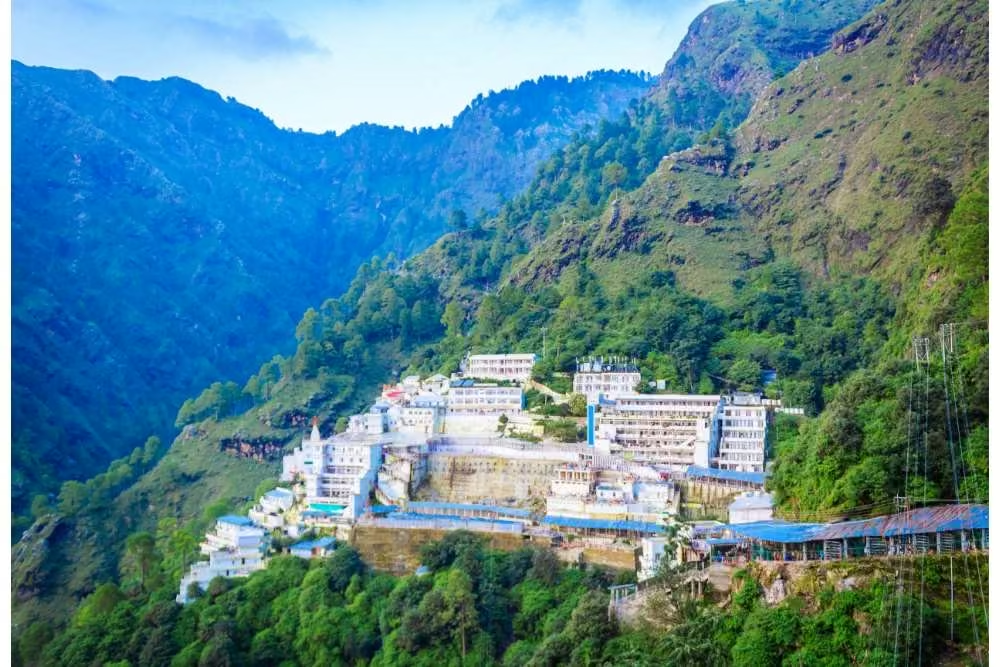
The Vaishno Devi Yatra begins at Katra, a small town in Jammu, which serves as the base camp for pilgrims. From Katra to the Bhawan, the holy cave, the distance is about 13 kilometers. Along the way, devotees encounter key landmarks that hold profound spiritual significance.
- Banganga: Where Mata quenched her thirst during her journey. Pilgrims often take a holy dip here before starting their trek.
- Charan Paduka: Believed to bear the footprints of the goddess, this spot inspires immense devotion.
- Adhkuwari: A narrow cave where Mata meditated for nine months. Pilgrims often crawl through this cave, considering it an act of penance.
- Sanjichhat: A resting spot offering panoramic views of the valley, just before reaching the shrine.
The trek to the Vaishno Devi temple can be completed on foot, and many devotees prefer walking as a way to show their devotion. However, alternative options are available for those who cannot manage the entire climb. Ponies, palkis (palanquins), and battery-operated vehicles provide relief for elderly pilgrims and children.
For those seeking convenience, helicopter services operate between Katra and Sanjichhat. The Vaishno Devi helicopter price typically ranges from ₹1,500 to ₹2,000 per person one way, depending on season and demand. Booking in advance is essential, especially during peak months. From Sanjichhat, pilgrims only need to walk around 2.5 kilometers to reach the shrine.
The distance from Katra to the Vaishno Devi shrine is 13 kilometers, which includes steep slopes and thousands of stairs leading to the shrine. While the climb can be challenging, the spiritual atmosphere keeps pilgrims motivated. The trek route is safe and well-lit, with medical centers, rest shelters, and food stalls strategically placed along the path. Many pilgrims also capture images of Vaishno Devi along the way, sharing their journey with others and inspiring more devotees to make the pilgrimage.
Accommodation, Dharamshalas, and Tour Packages
Katra is not only the starting point of the yatra but also a well-developed town offering a variety of accommodation options. Pilgrims can choose from budget-friendly lodges to mid-range hotels and even luxury resorts. Popular hotels in Katra provide comfortable stays with amenities such as hot water, Wi-Fi, vegetarian dining options, and convenient access to the yatra registration office. Booking accommodation in advance is highly recommended, especially during Navratri and summer vacations when demand is high.
For those who prefer affordable and spiritual lodging, dharamshalas in Katra are the perfect choice. Managed by charitable trusts and religious organizations, dharamshalas offer clean rooms and basic amenities at a nominal cost. Some also provide free or subsidized meals. Staying in a dharamshala enables pilgrims to connect with other devotees, creating a shared spiritual atmosphere before embarking on the yatra.
To simplify travel, many operators provide Jammu package tours for Vaishno Devi. These packages usually include pickup from Jammu, transportation to Katra, accommodation, meals, and assistance with yatra formalities. Some tours also include additional destinations such as Patnitop, Shivkhori, and even the Amarnath Yatra. Such packages are ideal for first-time visitors who prefer a well-organized experience, free from logistical concerns.
Latest Updates, Travel Tips, and Nearby Attractions
Staying informed is essential for a smooth pilgrimage. Devotees should always check for the latest news about Mata Vaishno Devi before planning their trip. The official Shrine Board website provides regular updates about darshan timings, weather conditions, yatra registration, and helicopter services. Following these updates ensures safety and helps avoid last-minute issues.
Travel Tips for a Successful Yatra:
- Wear lightweight and comfortable trekking shoes for the climb.
- Carry warm clothes, as the weather in the mountains can turn chilly, especially at night.
- Keep water bottles and light snacks handy during the trek.
- Avoid carrying heavy bags to make the journey easier.
- Book hotels and helicopter services in advance during peak seasons.
- Elderly pilgrims should consult doctors before attempting the trek.
The yatra can also be combined with visits to nearby attractions. Patnitop, a hill station located approximately 80 kilometers away, is renowned for its breathtaking views and serene environment. Shivkhori, a natural cave shrine dedicated to Lord Shiva, offers another spiritual experience for devotees. Jammu city itself boasts a rich cultural and religious heritage, featuring notable sites such as the famous Raghunath Temple and Bahu Fort. For a more extended spiritual journey, many pilgrims combine the Vaishno Devi Yatra with the Amarnath Yatra, one of the most revered Shiva pilgrimages.
Why the Vaishno Devi Yatra Remains Timeless
The Vaishno Devi Yatra is not just a religious trip but a journey of faith, resilience, and devotion. Every year, people from all corners of India and abroad walk together on this sacred path. The chants of “Jai Mata Di” foster a sense of unity, erasing differences in caste, creed, and social status. The shrine symbolizes hope, strength, and the protective power of the divine mother.
The yatra tests physical endurance but rewards spiritual strength. Pilgrims often describe the journey as life-changing, with the energy of the holy cave filling them with a sense of positivity. The temple continues to inspire millions, proving that faith can move mountains and make even the most challenging paths easier to walk.
Conclusion
The Vaishno Devi temple stands as one of the most potent symbols of devotion in the Himalayas. With its fascinating legends, sacred route, and spiritually charged atmosphere, the shrine remains a must-visit pilgrimage for devotees worldwide. From the goddess’s history to the challenging yet rewarding trek, every aspect of the journey offers something meaningful.
Whether you walk the entire 13-kilometer path, ride a pony, or take the helicopter, the blessings of Mata Vaishno Devi are believed to transform lives. The yatra combines history, spirituality, culture, and nature into one unforgettable experience.
For millions of devotees, the Vaishno Devi Yatra is not just a trip—it is a sacred calling, an act of surrender, and a pathway to divine grace.
Jai Mata Di!