
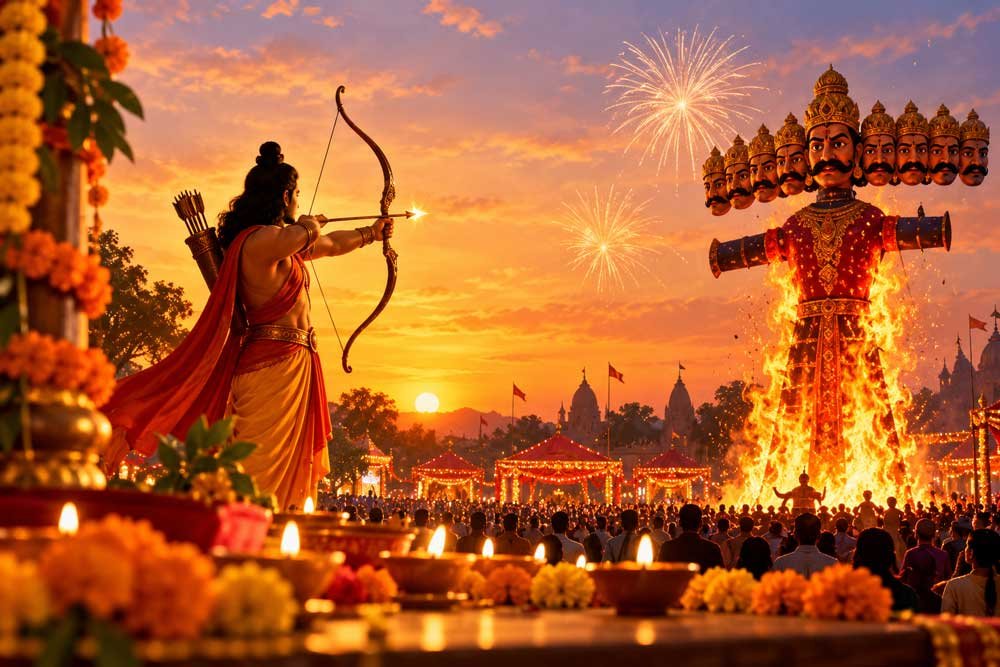
Dussehra, also known as Vijayadashami, is one of the most significant Hindu festivals celebrated across India. It symbolizes the victory of good over evil, truth over falsehood, and righteousness over wrongdoing. Celebrated with devotion, cultural performances, family gatherings, and festive traditions, Dussehra carries a timeless message that continues to inspire people of all ages.
The festival usually falls in September or October, on the tenth day of the Hindu month of Ashwin. In 2026, Dussehra will be celebrated on October 20 according to many Indian calendars, although local Panchang timings and regional traditions may vary.
Beyond its religious significance, Dussehra is an opportunity to strengthen family relationships, appreciate cultural heritage, reflect on personal growth, and welcome new beginnings.
Why Is Dussehra Celebrated?
Dussehra has different cultural and religious meanings across India, but its central message remains the same: good ultimately triumphs over evil.
According to the Ramayana, Lord Rama defeated the demon king Ravana to rescue Sita. The story represents the importance of truth, courage, devotion, and justice. In many parts of India, people celebrate this victory through Ravan Dahan, during which effigies of Ravana are burned at public gatherings.
In eastern India, Vijayadashami marks the conclusion of Durga Puja. It commemorates Goddess Durga’s victory over Mahishasura, symbolizing the triumph of divine power over destructive forces.
These traditions may differ, but both communicate an important lesson: negative qualities such as arrogance, greed, dishonesty, and hatred can be overcome through wisdom, courage, and compassion.
Popular Dussehra Traditions Across India
India’s cultural diversity makes Dussehra celebrations unique in different regions. Each tradition reflects local beliefs, history, and community values.
1. Ravan Dahan in North India
In many northern and western parts of India, people gather to watch the burning of large effigies of Ravana, Meghnad, and Kumbhakarna. These events often include performances of the Ramayana, known as Ramlila, along with music, dramatic scenes, and community festivities.
For families, these gatherings offer an opportunity to introduce children to traditional stories and explain the importance of choosing honesty and kindness.
2. Durga Puja and Vijayadashami in Eastern India
In West Bengal and neighbouring regions, Vijayadashami marks the final day of Durga Puja. Devotees offer prayers, participate in farewell rituals, and accompany Goddess Durga’s idols during immersion processions.
The celebrations emphasize devotion, community participation, and the victory of good over evil.
3. Mysuru Dasara in Karnataka
Mysuru Dasara is famous for its royal heritage, illuminated Mysore Palace, cultural programmes, and traditional procession. The celebration reflects the region’s history and attracts visitors interested in Indian art, music, dance, and architecture.
4. Dussehra in Gujarat
In Gujarat, Dussehra follows the nine nights of Navratri, a festival celebrated with Garba, Dandiya Raas, devotional music, and colourful traditional clothing. Vijayadashami is considered an auspicious occasion for prayers, family gatherings, and beginning new activities.
Many people also visit temples, perform puja, and seek blessings for prosperity and success.
Traditional Dussehra Rituals and Their Meaning
Dussehra rituals vary by family and region, but several practices are commonly associated with the festival.
Shastra Puja: In some traditions, people worship tools, instruments, books, or professional equipment. The ritual expresses gratitude for the resources and skills that support their livelihood.
Ayudha Puja: Particularly associated with southern India, this practice involves showing respect to tools, vehicles, machinery, and other objects used in daily work.
Visiting temples: Many devotees offer prayers and seek blessings for peace, prosperity, and protection.
Exchanging greetings: Families and friends share Dussehra wishes to express goodwill and strengthen relationships.
Starting new activities: Vijayadashami is considered an auspicious day in several traditions for beginning educational, professional, or personal endeavours.
These practices remind people to respect their work, value their relationships, and approach the future with a positive mindset.
How to Celebrate Dussehra at Home
Celebrating Dussehra at home does not require elaborate arrangements. Simple activities can make the festival meaningful, enjoyable, and memorable for the entire family.
Decorate Your Home Traditionally
Clean your home before the festival and decorate the entrance with rangoli, fresh flowers, torans, or traditional motifs. Diyas and other festive decorations can create a warm atmosphere. If you use candles or oil lamps, place them away from curtains and other flammable materials.
Prepare Traditional Festive Food
Prepare family favourites such as sweets, snacks, and regional festive dishes. You can also involve children in simple cooking activities, helping them learn about family recipes and cultural traditions.
Read or Share Stories from the Ramayana
Spend some time discussing the story of Lord Rama and Ravana. Rather than focusing only on the battle, explain the values of courage, loyalty, humility, and responsibility.
This can turn a festive gathering into a valuable learning experience for children.
Wear Comfortable Festive Clothing
Traditional outfits, colourful dresses, and elegant accessories can make the occasion feel special. Choose clothing that suits your family’s celebrations and the weather.
A coordinated outfit, a stylish handbag, or subtle jewellery can complete a festive look. If you are planning festive shopping, stores such as Sakhi Shoppe offer options including ladies’ handbags, imitation jewellery, and women’s clothing.
Spend Quality Time with Loved Ones
Visit relatives, call distant family members, share a festive meal, or attend a local cultural event. Meaningful conversations and shared experiences often become the most memorable part of any celebration.
The Importance of Dussehra for Children
Dussehra offers parents an opportunity to teach children important life lessons through stories and activities.
Instead of presenting the festival only as a religious celebration, families can explain how its message applies to everyday situations.
For example, children can learn that honesty is more valuable than winning through unfair means, that apologising requires courage, and that kindness helps build stronger friendships.
Families can also encourage children to identify one habit they want to improve, such as impatience, anger, or wasting time. This simple activity connects the traditional message of Vijayadashami with personal development.
Eco-Friendly Ways to Celebrate Dussehra
Festivals bring people together, but celebrations can also create waste and environmental concerns. A few thoughtful decisions can help families enjoy Dussehra responsibly.
- Use reusable or natural materials for decorations wherever practical.
- Choose flowers, leaves, and other biodegradable decorative items.
- Avoid single-use plastic plates, cups, and cutlery.
- Keep public spaces clean and dispose of waste responsibly.
- Attend organised Ravan Dahan events that follow local safety and environmental guidelines.
- Avoid fireworks or other activities that create unnecessary smoke, noise, or risks to people and animals.
- Share homemade sweets, useful gifts, or experiences instead of purchasing items that may go unused.
When attending public events, follow crowd-management instructions and maintain a safe distance from burning effigies and fireworks.
An environmentally conscious celebration can preserve the festival’s joy while showing consideration for the wider community.
Dussehra as a Time for Personal Growth
The deeper message of Dussehra extends beyond its traditional stories. It encourages people to recognise and overcome their own negative habits.
The symbolic victory over Ravana can inspire us to reflect on qualities such as ego, anger, jealousy, dishonesty, and greed. These challenges are part of everyday life, whether at home, at school, or in the workplace.
You can make this year’s celebration more meaningful by setting three simple intentions:
- Let go of one negative habit: Identify a behaviour that affects your relationships or well-being and work on improving it.
- Practise one positive quality: Make a conscious effort to show patience, gratitude, honesty, or kindness.
- Begin something constructive: Start learning a new skill, improve a daily routine, or take the first step towards a personal goal.
Small, consistent actions can turn the festival’s message into positive changes that last beyond the celebration.
Frequently Asked Questions About Dussehra
The main message of Dussehra is the victory of good over evil. It encourages people to practise truth, courage, justice, humility, and compassion.
The name Vijayadashami combines the ideas of victory and the tenth day. It is associated with the victory of Lord Rama over Ravana and, in other regional traditions, Goddess Durga over Mahishasura.
Navratri is a nine-night festival dedicated to the worship of the divine feminine in many traditions. Dussehra or Vijayadashami marks the tenth day and the conclusion of these celebrations, although the specific customs differ across regions.
Families can decorate their homes, prepare traditional dishes, read stories from the Ramayana, visit temples, attend cultural events, exchange greetings, and discuss the festival’s values with children.
In many Hindu traditions, Vijayadashami is considered an auspicious day to begin education, professional activities, or personal projects. Customs vary by region and family.
Conclusion
Dussehra is much more than a day of rituals and celebrations. It is a reminder that truth, kindness, courage, and righteousness remain important in every generation. Whether you celebrate by attending Ravan Dahan, participating in Durga Puja traditions, decorating your home, or spending time with family, the festival offers an opportunity to reconnect with cultural values and welcome positive change.
As Vijayadashami approaches, take time to celebrate responsibly, appreciate your loved ones, and reflect on the habits you wish to improve. May the spirit of Dussehra inspire you to overcome challenges, spread kindness, and move towards a happier and more meaningful future.
Wishing everyone a joyful, peaceful, and prosperous Dussehra!

Comments are closed