India is a land of festivals, where every season brings its own colours, flavours, and traditions. One of the most widely celebrated harvest festivals across the country is Makar Sankranti, also known as Uttarayana. Observed every year on January 14, this festival marks a significant astronomical and cultural transition and is celebrated in diverse ways across Indian states.
From the kite-filled skies of Gujarat to the traditional sweets of Maharashtra and the sacred rituals along the Ganga in North India, Makar Sankranti beautifully showcases India’s unity in diversity. Let us embark on a cultural journey across Bharatvarsha to explore the meaning, significance, regional celebrations, special foods, wishes, and iconic events, such as the International Kite Festival in Ahmedabad.
Uttarayana Meaning and Significance
The word Uttarayana is derived from Sanskrit, where “Uttara” means north and “Ayana” means movement. Thus, the Uttarayana meaning refers to the northward movement of the Sun.
Astronomically, this day marks the Sun’s transition into the zodiac sign Makara (Capricorn). Spiritually, Uttarayana is considered an auspicious period in Hindu tradition. According to ancient scriptures, the Sun’s northward journey symbolises positivity, growth, and divine energy.
It is believed that any good deed, charity, or spiritual practice performed during Uttarayana brings long-lasting benefits. This belief is why Makar Sankranti holds profound religious importance across India.
Why January 14 Is Celebrated as Makar Sankranti
Unlike most Hindu festivals, which follow the lunar calendar, Makar Sankranti is celebrated based on the solar calendar, which is why it falls on January 14 every year (occasionally on January 15).
This day signifies:
- The end of the winter solstice
- Longer days and shorter nights
- The beginning of the harvest season
- A fresh agricultural and spiritual cycle
Across India, farmers thank nature for a bountiful harvest, devotees take holy dips in sacred rivers, and families gather to celebrate prosperity and happiness.
Makar Sankranti Celebrations Across Indian States
Though the essence of the festival remains the same, the name, rituals, and traditions vary from region to region.

Gujarat – Uttarayana & International Kite Festival, Ahmedabad
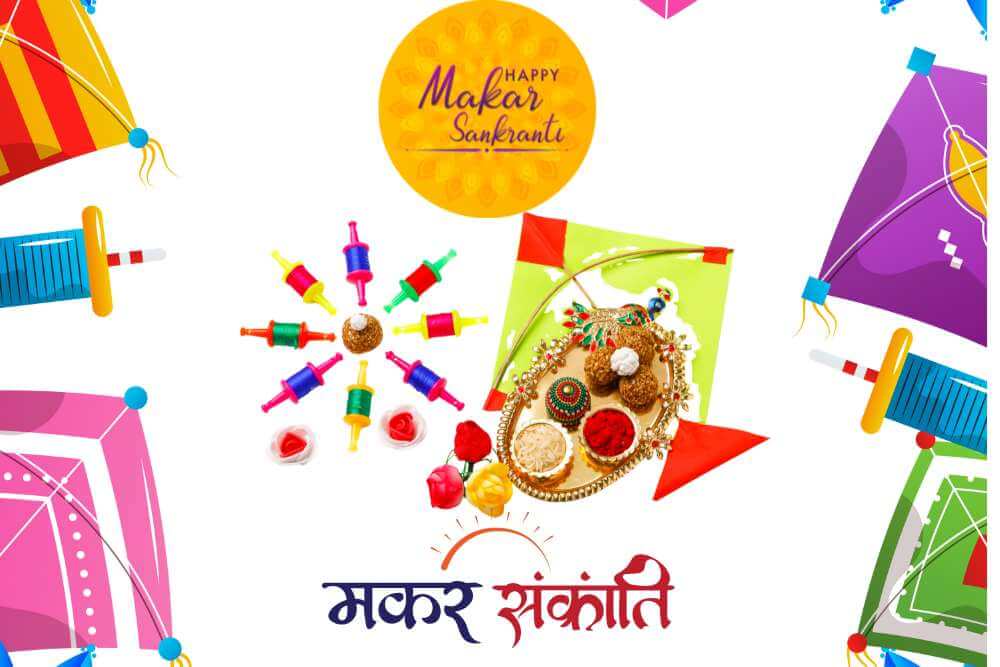
In Gujarat, Makar Sankranti is popularly known as Uttarayana, and it is synonymous with kite flying.
The sky turns vibrant with colourful kites as people shout “Kai Po Che!”. Families gather on terraces, music plays, and traditional foods, such as undhiyu and jalebi, are enjoyed.
One of the biggest attractions is the International Kite Festival in Ahmedabad, where kite flyers from across the world participate. Giant artistic kites, night kite shows, and cultural performances make Ahmedabad a global hub during this festival.
Maharashtra – Tilgul and Sweet Bonds
In Maharashtra, Makar Sankranti is celebrated by exchanging tilgul (sesame and jaggery sweets) with the famous phrase:
“Tilgul ghya, god god bola”
(Meaning: Eat sweets and speak sweetly)
This tradition highlights harmony, forgiveness, and the importance of relationships. Married women organise haldi-kumkum ceremonies, and families wear new clothes to mark the occasion.
West Bengal – Poush Parbon Festival
In West Bengal, Makar Sankranti is celebrated as Poush Parbon, marking the end of the Bengali month of Poush.
The festival is famous for traditional rice-based sweets known as Pithe and Payesh. Villages come alive with fairs, folk music, and cultural performances.
The Poush Parbon festival strongly reflects Bengal’s agrarian roots and celebrates gratitude towards nature and farmers.
Tamil Nadu – Pongal Festival
In Tamil Nadu, the festival is celebrated as Pongal, a four-day harvest celebration.
- Bhogi Pongal – discarding old items
- Thai Pongal – cooking the sacred Pongal dish
- Mattu Pongal – honouring cattle
- Kaanum Pongal – family gatherings
Pongal celebrates abundance, prosperity, and respect for nature and all living beings.

Punjab – Lohri
In Punjab, Makar Sankranti coincides with Lohri, a celebration marked by bonfires, folk songs, and dances such as Bhangra and Gidda.
People throw sesame seeds, peanuts, and popcorn into the fire while praying for prosperity and good fortune. Lohri marks the harvest of rabi crops and is especially significant for newly married couples and newborns.
Uttar Pradesh & Bihar – Holy Dips and Charity
In North India, devotees take holy dips in rivers like the Ganga, Yamuna, and Godavari. Places like Prayagraj, Haridwar, and Varanasi witness massive gatherings.
Donating food, clothes, sesame seeds, and money is considered highly auspicious on this day.
Makar Sankranti Special Recipe Across India

Food plays a central role in Makar Sankranti celebrations. Almost every region prepares dishes using sesame seeds, jaggery, rice, and lentils, symbolising warmth and nourishment during winter.
Popular Makar Sankranti special recipes:
- Tilgul Ladoo – Maharashtra
- Undhiyu – Gujarat
- Pithe & Payesh – West Bengal
- Pongal – Tamil Nadu
- Khichdi – Uttar Pradesh & Bihar
- Chikki – Widely popular across India
These traditional dishes not only taste delicious but also have health benefits suited for the winter season.
Happy Makar Sankranti: Wishes and Greetings
Exchanging greetings is an integral part of the festival. People send heartfelt messages to spread positivity and joy.
Popular Makar Sankranti wishes:
- Happy Makar Sankranti! May your life be filled with happiness and prosperity.
- Wishing you warmth, joy, and success this Uttarayana.
- May the Sun bless you with health, wealth, and wisdom.
Sending Happy Makar Sankranti wishes strengthens bonds and keeps traditions alive in the modern digital age.
Spiritual Importance of Uttarayana in Hindu Beliefs
According to Hindu mythology, Uttarayana is considered the day of the gods. The epic Mahabharata mentions that Bhishma Pitamah chose to leave his mortal body during Uttarayana, thinking it highly auspicious.
Many people begin spiritual practices, pilgrimages, and temple visits during this period, believing it brings enlightenment and liberation.
Modern Celebrations and Cultural Unity
Today, Makar Sankranti has evolved into a cultural and tourism festival. Events like the International Kite Festival in Ahmedabad attract global visitors, promoting Indian traditions on an international platform.
Despite modernisation, the core values of gratitude, unity, and harmony remain intact. The festival beautifully blends tradition with contemporary celebration.
Conclusion: A Festival That Unites Bharatvarsha
The Uttarayana Festival in India is more than just a harvest celebration—it is a reflection of India’s cultural richness and spiritual depth. Whether it is Poush Parbon in Bengal, kite flying in Gujarat, Pongal in Tamil Nadu, or holy dips in North India, Makar Sankranti unites the nation through shared joy and gratitude.
As the Sun begins its northward journey, Makar Sankranti reminds us to move towards positivity, growth, and togetherness.
Happy Makar Sankranti! 🌞🪁